
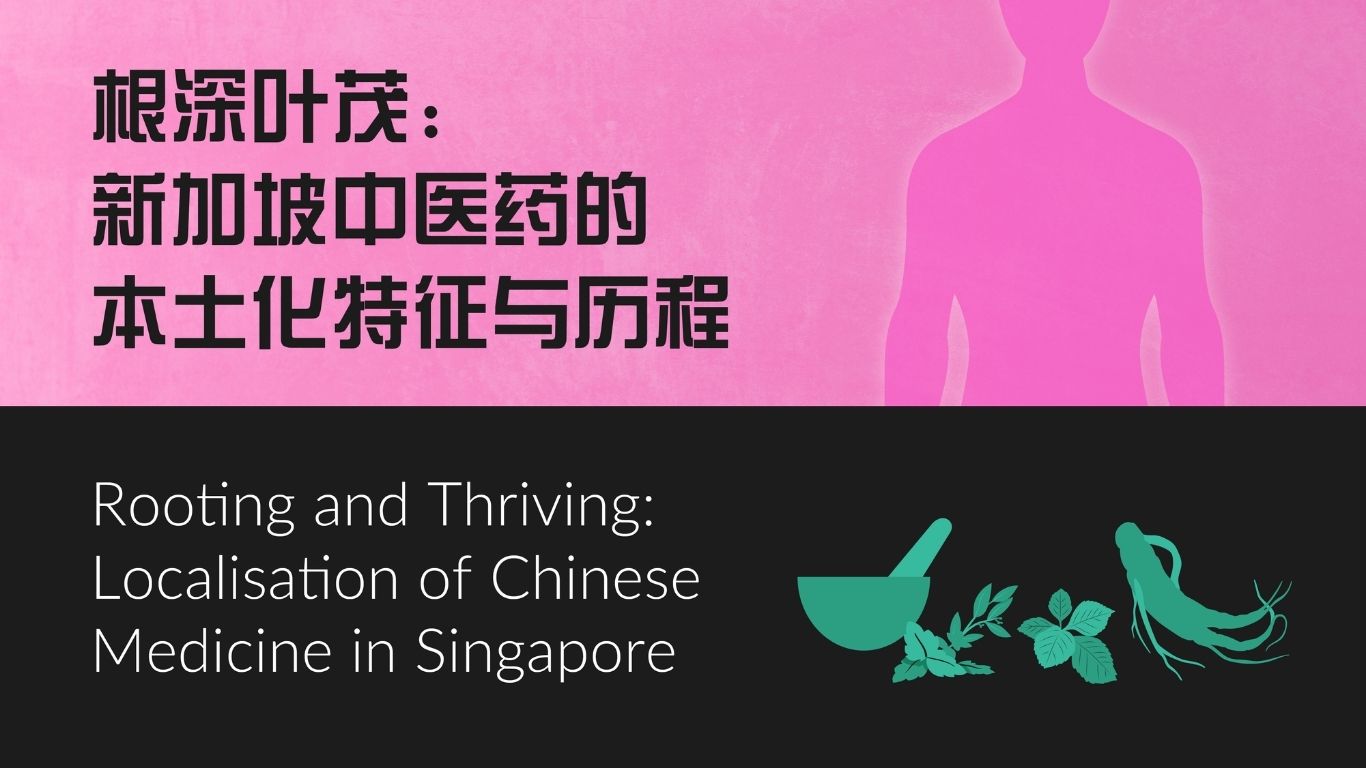
The prominence of TCM charitable clinics, the Malayanisation of Chinese medicine, Singapore’s integration of Chinese and Western medicine, and regulatory changes such as the lifting of restrictions on berberine sales and use, among other key developments, show how Chinese medicine in Singapore has evolved and become localised over time. These developments have shaped trajectories distinct from those in China, reflected in institutional structures, schools of thought, clinical practices, material culture, and other aspects. Rather than being static or monolithic, Chinese medicine develops within specific historical and social contexts. Using Singapore as a case study, this talk highlights the plurality of Chinese medicine and its continual innovation in the contemporary world.
Speaker
Dr Yang Yan
Senior Research Fellow, Department of Chinese Studies, NUS
Deputy Director, Wan Boo Sow Research Centre, NUS
Dr Yang Yan is a Senior Research Fellow at the National University of Singapore’s Department of Chinese Studies. Her work focuses on the history of Chinese medicine in Southeast Asia and overseas Chinese banking in Singapore and Malaya. Her latest monograph, The Making of Modern Chinese Medicine in Singapore (1867–2013), explores the roles of state and professional bodies. She currently leads a research project funded by National Heritage Board, titled In Their Own Ways: Identification and Documentation of Singapore’s Chinese Medicine.
Moderator
Professor Wong Sin Kiong
Department of Chinese Studies,
National University of Singapore
Jan 10, 2026 - Jan 10, 2026
2pm to 3:30pm
Singapore Chinese Cultural Centre Recital Studio, Level 6
Conducted in Mandarin
No age limit
Free, pre-registration required
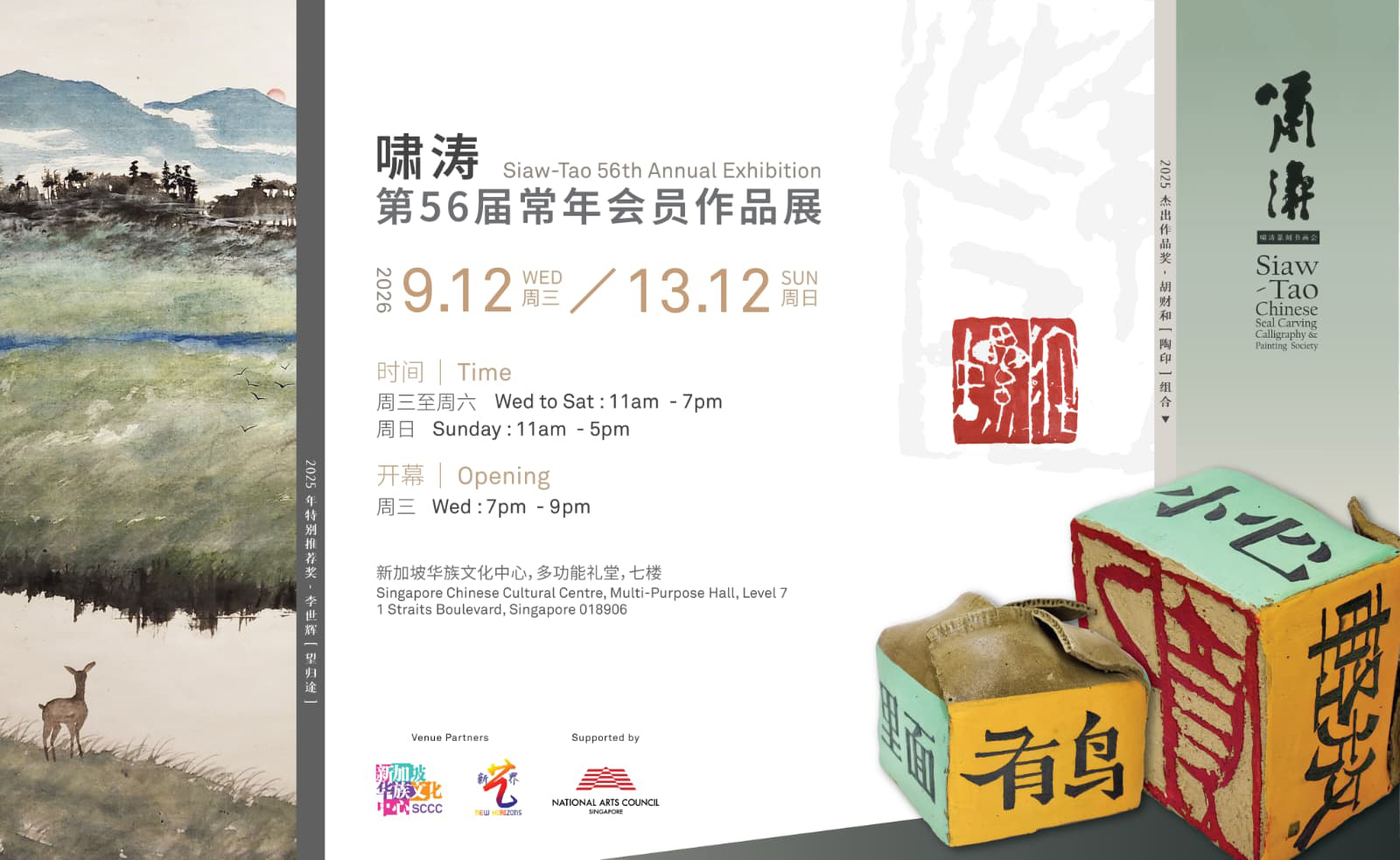
The 56th Anniversary Exhibition of Siaw-Tao Seal Carving, Calligraphy and Painting Society is a showcase…
 Free
Free
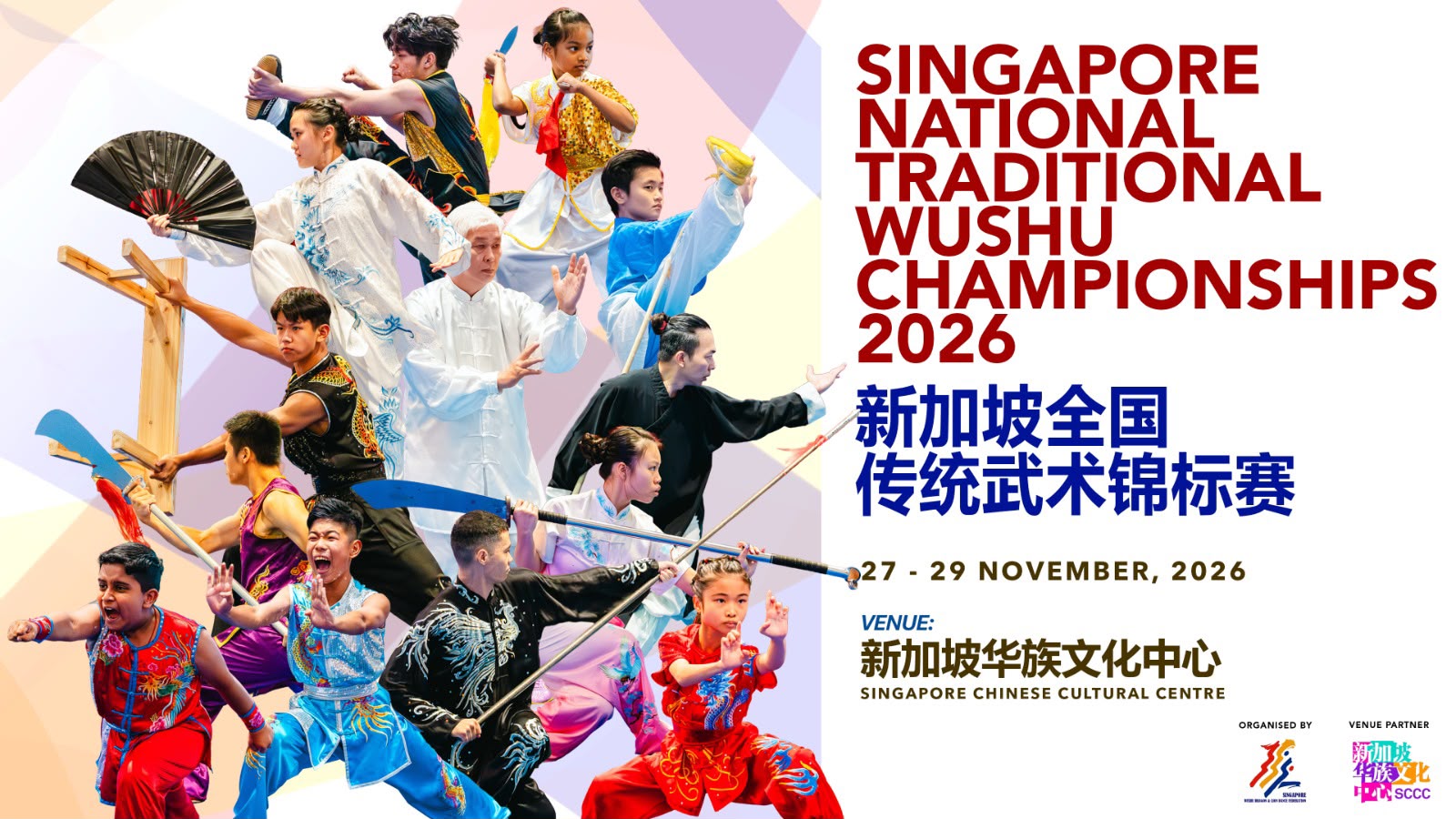
The Singapore National Traditional Wushu Championships, organised annually by the Singapore Wushu Dragon & Lion…
Free
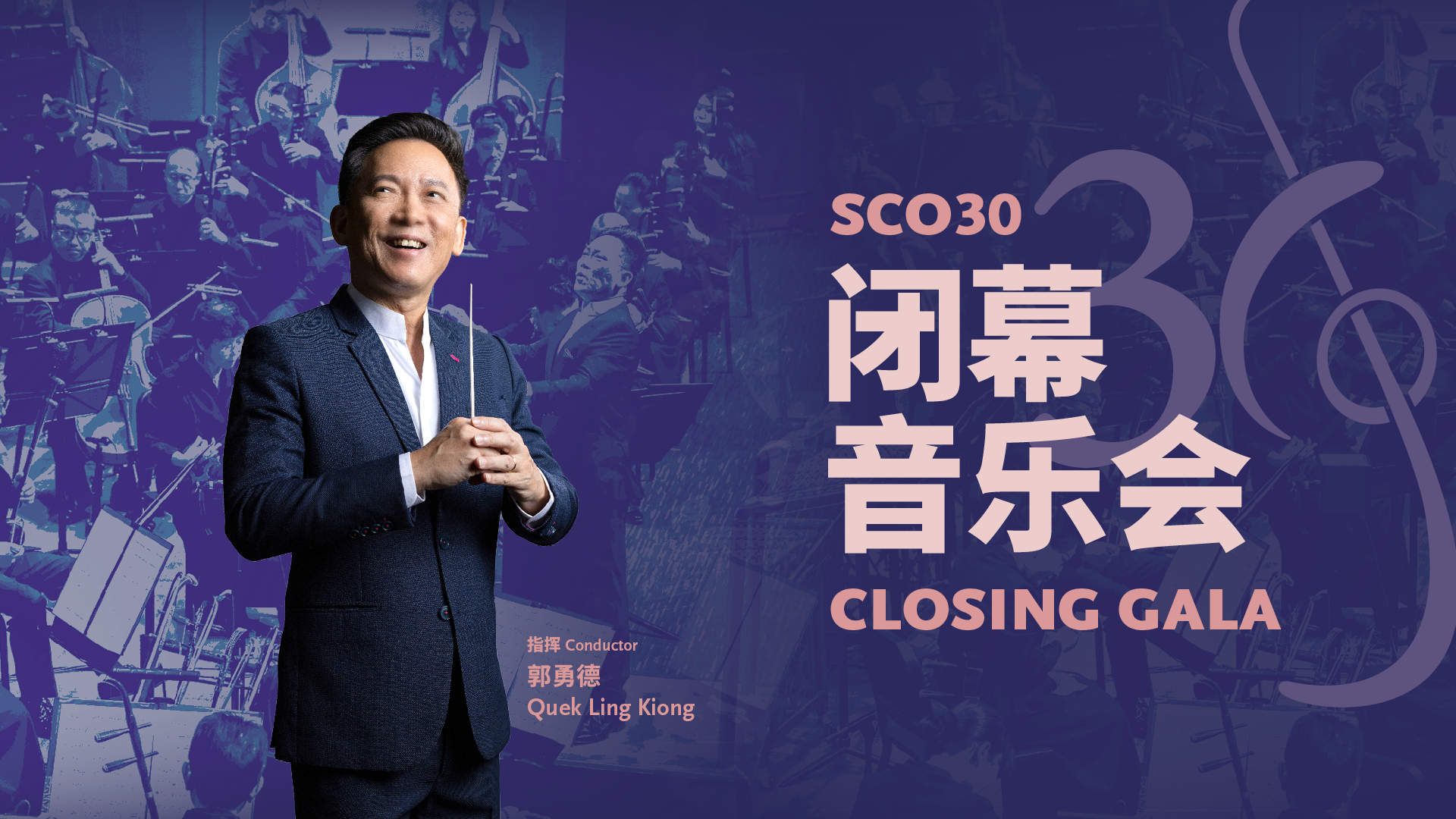
The SCO30 celebration series culminates in a magnificent grand finale concert that weaves together the…